Homeworld Academy: Fundamentals in Biotech Translation and Climate Impact
Homeworld Academy is a new educational initiative from Homeworld Collective that equips bioscientists with the skills needed to develop climate biotech solutions capable of planetary-scale impact.
Overview
Course Description
The inaugural course will be “Fundamentals in Biotech Translation and Climate Impact”, a fully-remote interactive program that helps scientists identify high-potential climate applications for their biological research. Through the supported creation of a Final Translation Project, participants will learn to evaluate technical bottlenecks, navigate scale-up realities, and build the communication skills necessary to build public trust and funder interest. Whether participants continue in academia or engage in an industrial career, they will be prepared to develop translational research programs, compete for impact-focused funding, participate in accelerator programs, and contribute to the deployment of biotechnology for planetary well-being.
Key Outcomes
Final Translation Project
Participants leave with a translation project of their own, built over the eight weeks with mentors and peers, and presented at the end of the course to invited members of the climate biotechnology ecosystem.
Funding and accelerator readiness
Participants will build the skills to develop competitive grant applications for translational research and a strong foundation for later pursuing an accelerator program or venture funding.
Continued Homeworld support
Participants will join Homeworld Collective’s large climate biotech community and will benefit from ongoing support and mentorship from the Homeworld team.
Why This Course
What the field is missing
Homeworld Collective’s recent Climate Biotech Community Survey informed us of two resources the community needs: clarity on what’s worth working on, and pathways to reach real-world application.
When asked what would most help them apply their work to planetary well-being, respondents ranked:
- #3Clearer problem definition (knowing what’s worth working on)
- #4More connections to industry
Funding-related resources ranked 1 & 2.
In interviews
Nearly 4 in 5
interviewees pointed to the difficulty of developing research into something that can work in real-world conditions.
About the course
Our new “Fundamentals in Biotech Translation and Climate Impact” course aims to address these gaps by teaching participants to:
- •Identify credible bottlenecks limiting climate and planetary well-being applications
- •Evaluate applications on environmental impact, scale, and novelty
- •Assess the translational feasibility of scientific ideas
- •Develop a translation project with measurable goals and a credible path to deployment
- •Communicate a translation strategy to technical and non-technical audiences
Who You Are
Focus Area
This course focuses on climate biotechnology, which we define as:
Bio-based technologies that help advance climate and planetary health goals. This includes (among other things) reducing greenhouse gases, supporting cleaner environments, enabling electrification and decarbonization, and producing chemicals and materials more sustainably.
Human therapeutics fall outside the scope of the course.
Ideal Participant
- •Works in climate biotech OR wants to pursue a career in the field.
- •Interested in helping biotechnology have a greater impact on climate change and planetary well-being.
- •Bioscientists who envision a change in their position within the next two years.
- •Hold or are pursuing a PhD, OR have equivalent relevant work experience.
No prior business, startup, or industry experience is required.
Example personas
Graduate student (ABD)
An ABD graduate student who is uncertain of whether they want to pursue a career in academia or industry.
Postdoctoral researcher
A postdoctoral researcher looking to broaden their experience and develop an academic research program that positions their future lab to address real-world, industry-relevant challenges.
Industry scientist
An industry scientist seeking to develop a business mindset and the skills to build climate-relevant solutions on top of their scientific background.
Expectations
This course requires an eight-week commitment of approximately 4-6 hours per week, including participation in live online sessions via Zoom. Please review the course syllabus for the full schedule and expectations.
Curriculum
Evaluation
While there is no formal grading, participants will receive a comprehensive review of their projects, with clear and candid feedback to help strengthen their work. We are committed to open communication and believe that transparent feedback is essential to developing stronger biotechnology projects.
Course Structure
Format
Location: Real-time online (Zoom)
Time commitment: 8 weeks, 4-6 hours per week
Cost: Free
Major Dates
| Major Dates | Event Will Be Held on Zoom at: |
|---|---|
| Course On-Boarding | Friday, 09/18/2026, 12:00PM - 1:00PM ETNote: Meets Friday, not Monday |
| First Day of Course | Monday, 09/21/2026, 12:00PM - 1:00PM ETNote: Holiday accommodation - add. session 09/22 at 12 PM ET |
| Last Day of Course/Final Showcase | Monday, 11/09/2026, 12:00PM - 2:00PM ETNote: Longer session, 2 hours |
Weekly Structure
- •Lecture on weekly topic (see Curriculum for topics)
- •Mentor-led group activity to relate weekly topic material to final projects
- •Fireside chat with guest speaker
- •Optional peer-connections, a weekly networking activity with other course participants
| MonMonday | TueTuesday | WedWednesday | ThuThursday | FriFriday | |
|---|---|---|---|---|---|
| Lecture | 12 - 1 PM ET | ||||
| Mentor group | 1 hour per week, small groups will schedule this at the time that works best for them | ||||
| Fireside chat | 12 - 1 PM ET | ||||
| Peer connections | 12 - 1 PM ET | ||||
Shaded sessions are required.
Note: Final projects will require weekly work (homework), which is expected to take 1-2 hours to complete.
Syllabus
Read the full syllabus.
Who We Are
Who You'll Learn From
Course Instructor

 Science Director
Jayme Feyhl-Buska is a trained geomicrobiologist who uses her background to build and support climate biotechnologies. With a background in academia, industry, and non-profit, she focuses on helping researchers identify high-impact technical bottlenecks, build collaborations across academia, industry, and government, and translate promising discoveries into technologies that can scale. Prior to Homeworld, Jayme earned her Ph.D. in Geology studying extremophilic life at University of Southern California. She then developed agricultural biotechnologies at Boost Biomes and designed and tested biomining solutions for complex copper ores at Cemvita and its spin-out, Endolith. Through Homeworld Academy, she is excited to help fellow bioscientists develop the translational mindset needed to maximize the real-world impact of their research.
Course Support
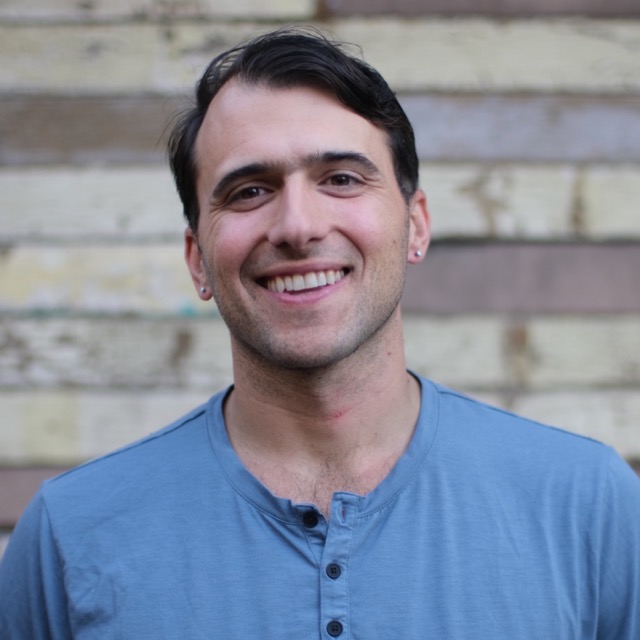
Executive Director
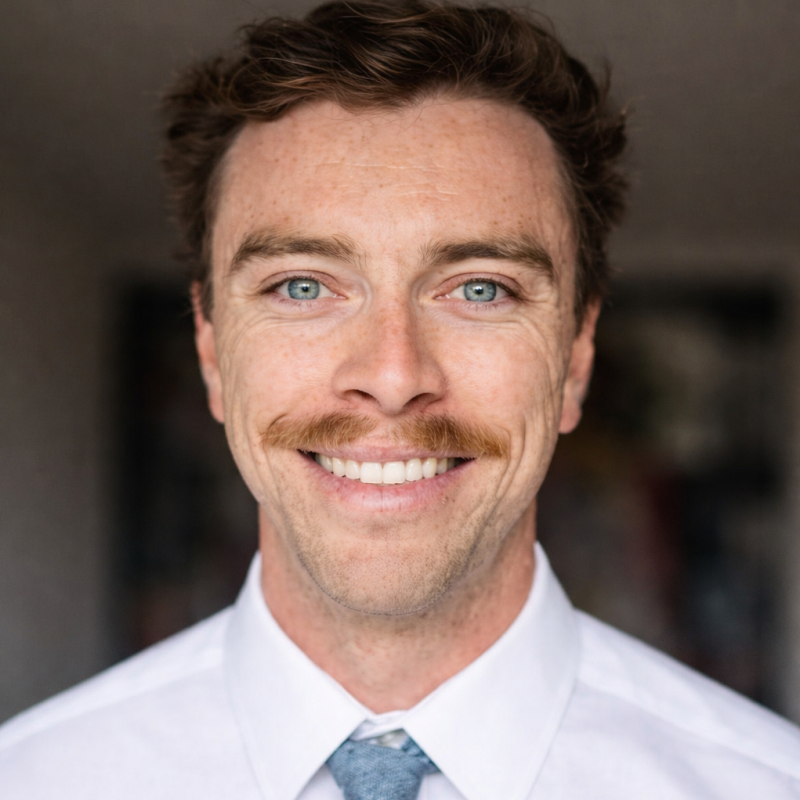
Programs & Research Consultant
Guest Speakers
Select industry leaders who will provide insight into specific course topics.
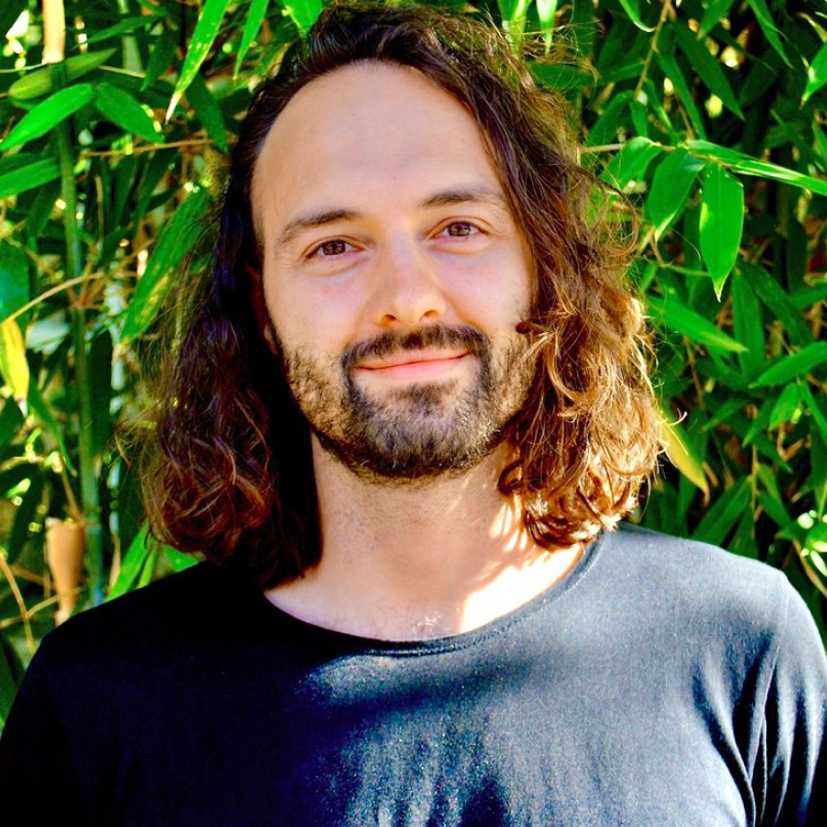
Board Director

Managing Director, Biotechnology
Full list to be announced.
Mentors
Researchers and founders who have successfully translated research into real-world impact will work with project groups throughout the course.

Founder & CEO

Co-Founder
Full list to be announced.
Contact
Questions about the course or the application? Get in touch.
FAQs
Apply
Open the applicationThe application is a Google Form, so you will need to be signed in to a Google account to submit it. If you do not have one, email us at academy@homeworld.bio and we will arrange another way for you to apply.
Application Overview
Required materials
- •Resume/CV or LinkedIn profile link
Long response questions
Open response - under 2000 characters, including spaces.
- 1.How would this course support your career goals?
Assessment questions
Open response - under 2000 characters, including spaces, per question.
The following questions are designed to help us understand how you currently think about translating laboratory research into real-world climate impact. We’re not looking for perfect answers or evidence of prior experience, but rather, we are interested in your thought process. Please stick with your initial idea. If you change your mind as you work through an idea, keep that in your answer. We recommend reading all the questions below before forming an answer for the first one.
- 2.
Finding good problems
What scientific question or technical challenge are you currently most excited to work on? What excites you about this topic?
- 3.
Discovering significant applications
Continuing to work with your idea from above, do you think that “solving it” would have an impact on climate and planetary health? How so, or how not, and what would you need to know to determine that definitively?
- 4.
Reaching real-world impact
Let’s assume that you’ve “solved” your idea from above and that it does look likely to have a beneficial impact on the planet. If you wanted to bring your idea out of the lab and scale it to the point of real impact, what do you think you’d need to know? What do you think would be hardest while scaling this specific idea?
- 5.
Communicating and building support
How would you enroll key stakeholders required to scale our idea? How would you approach the public to determine their interest in this idea, and how would you continue to build support with the public over time? What other stakeholders are important for your idea to succeed?
Applications are now closed
Open the application